
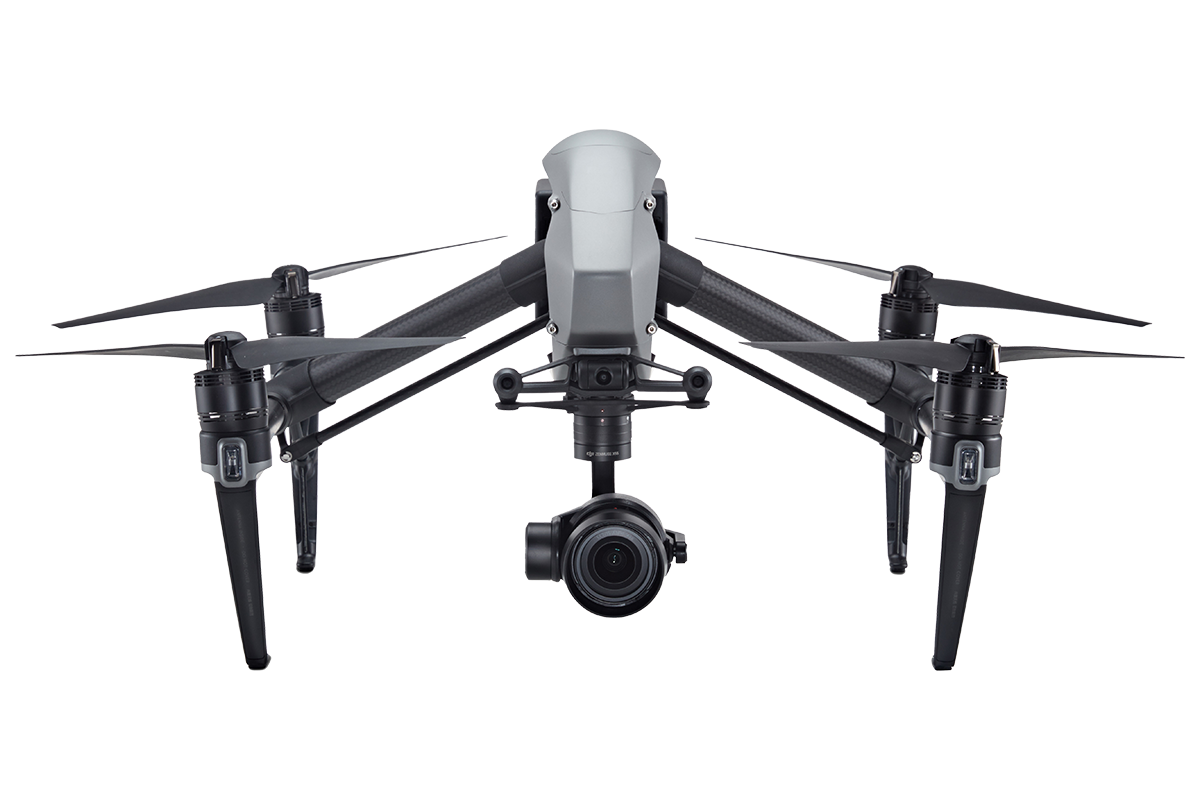
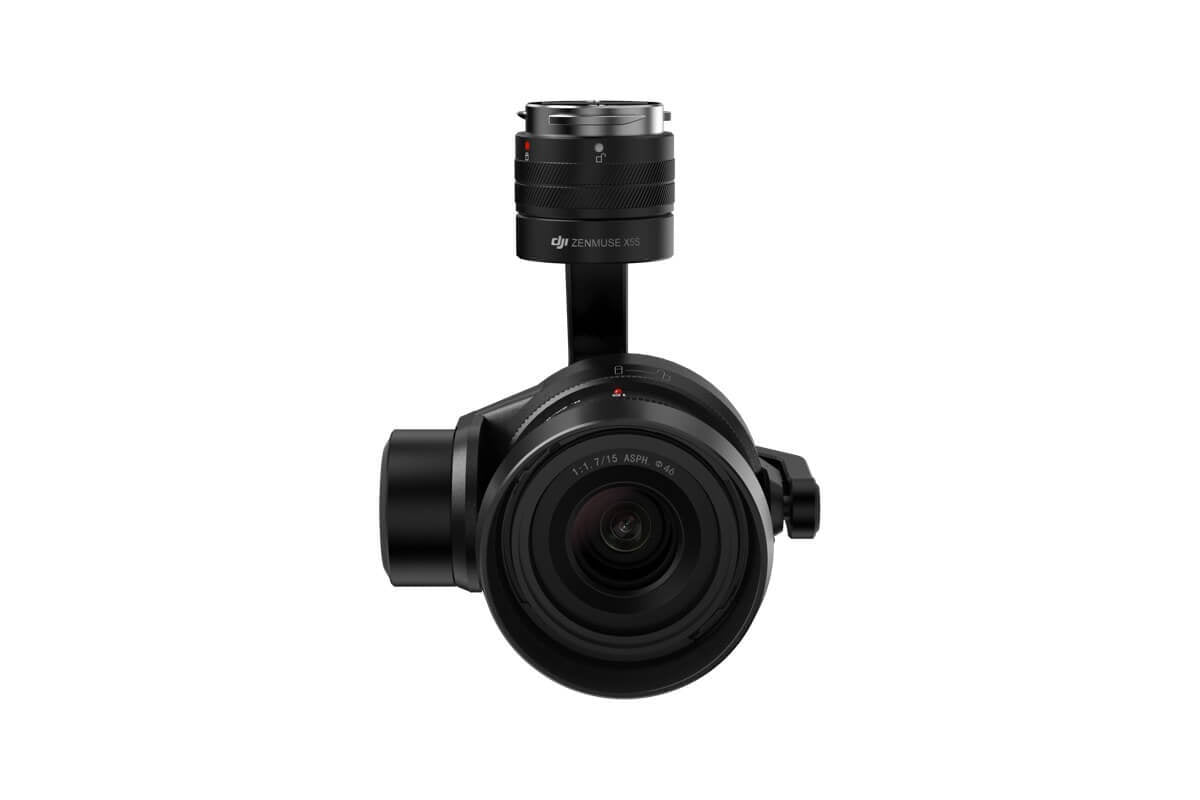
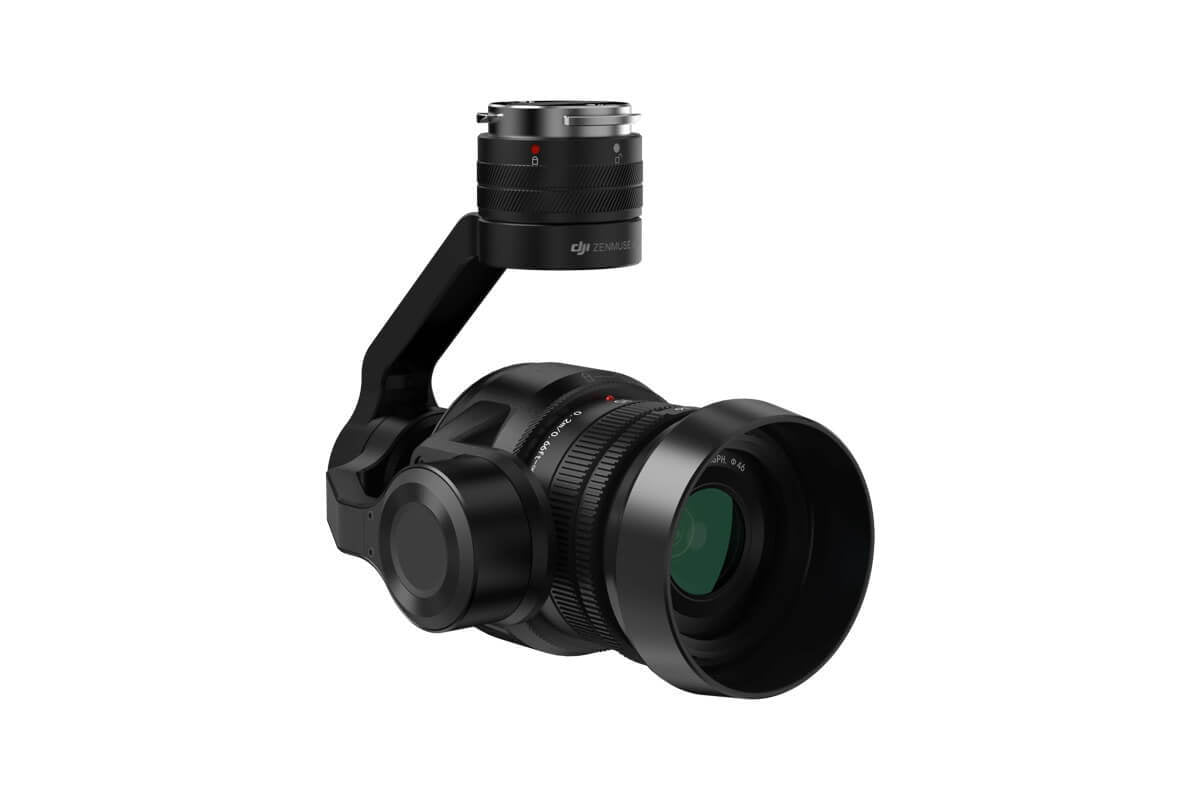
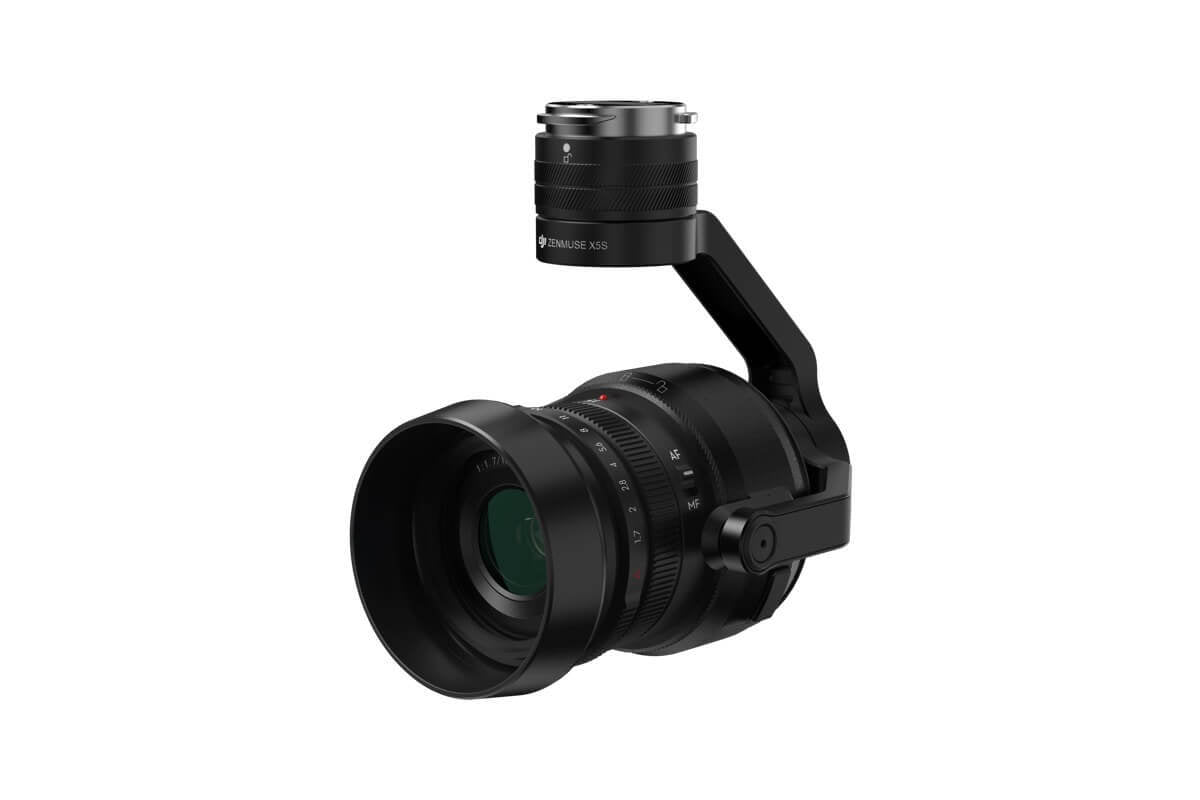
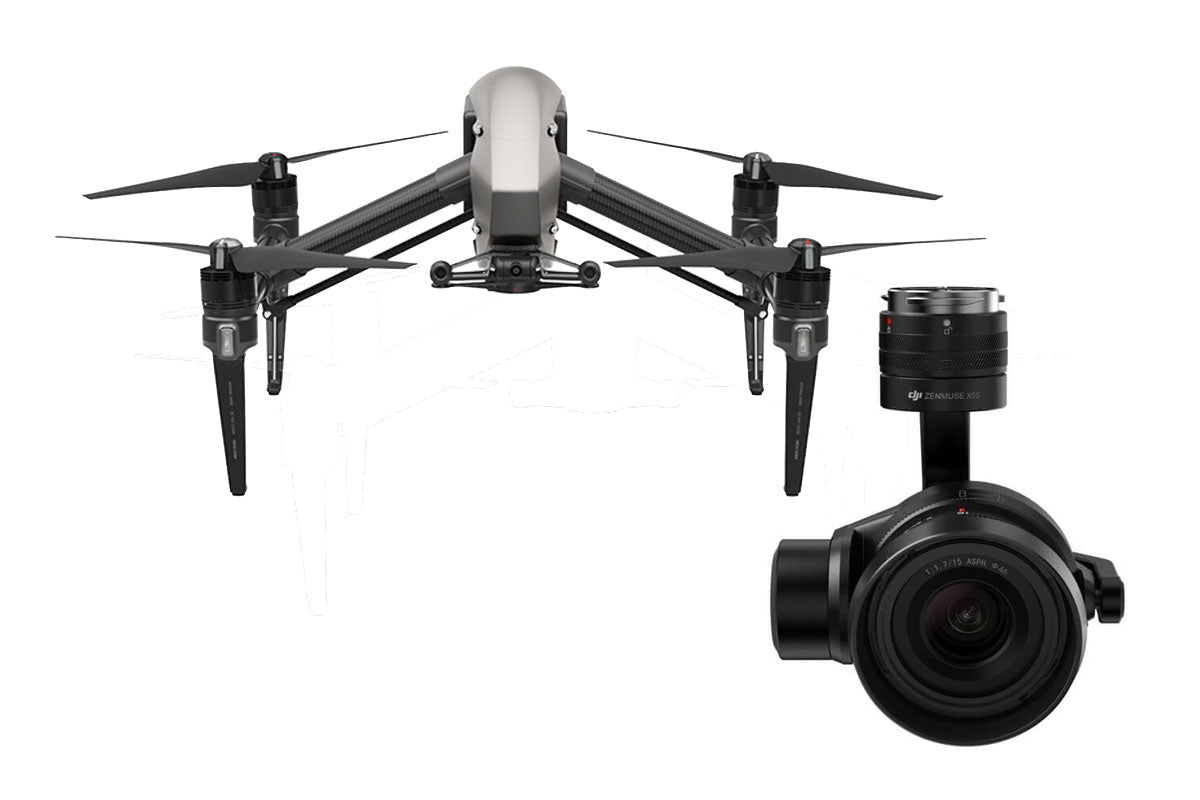
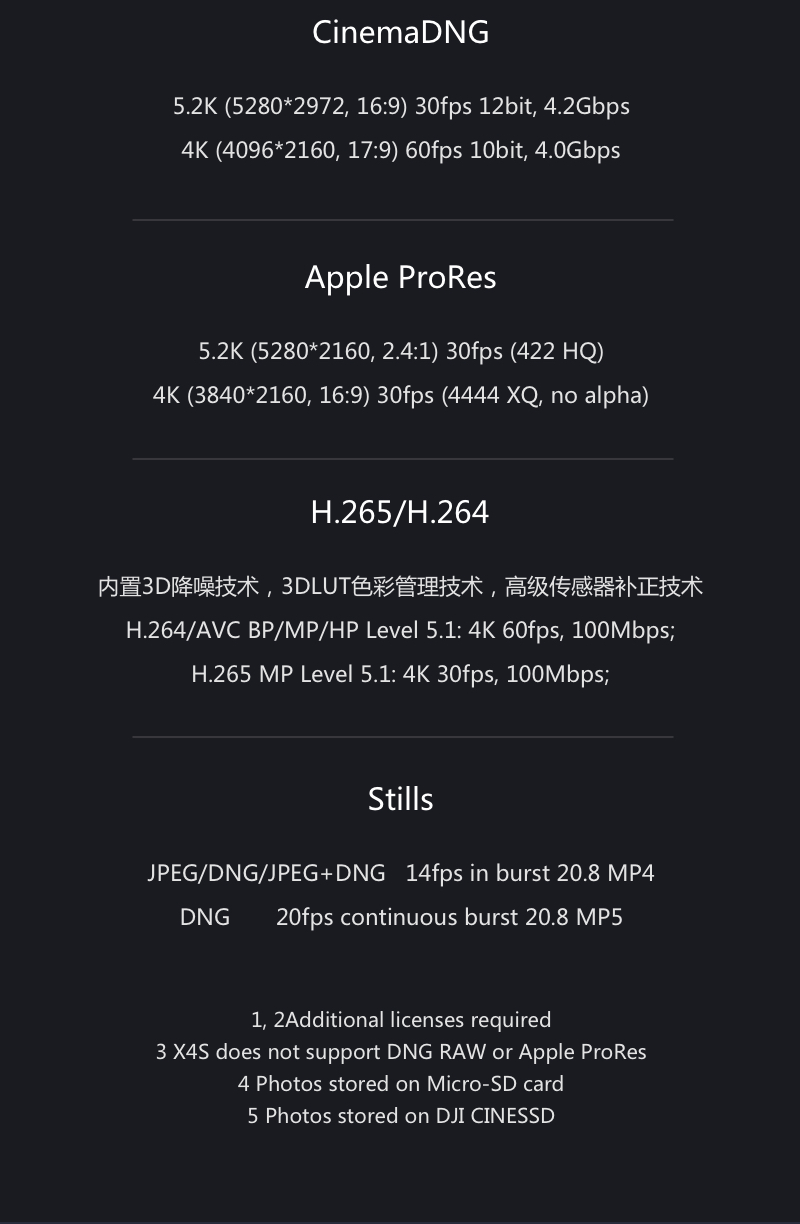
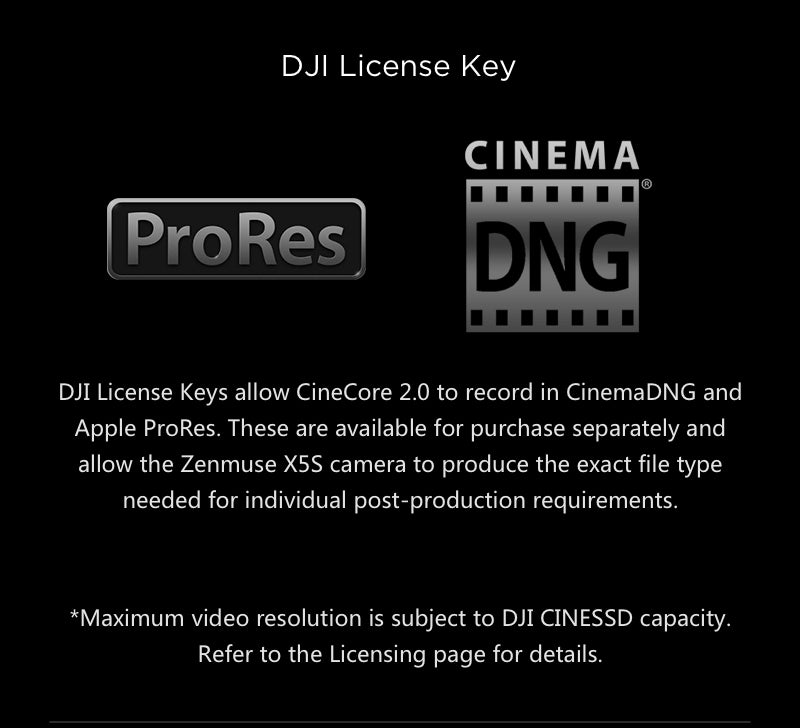
The Inspire 2 has an upgraded creative workflow designed for efficiency, now supporting video recording in professional formats like CinemaDNG and Apple ProRes, along with other widely used post-production formats. It also supports FAT32 and exFAT* file systems, enabling quick and direct file transfers from the CINESSD without needing extra software.
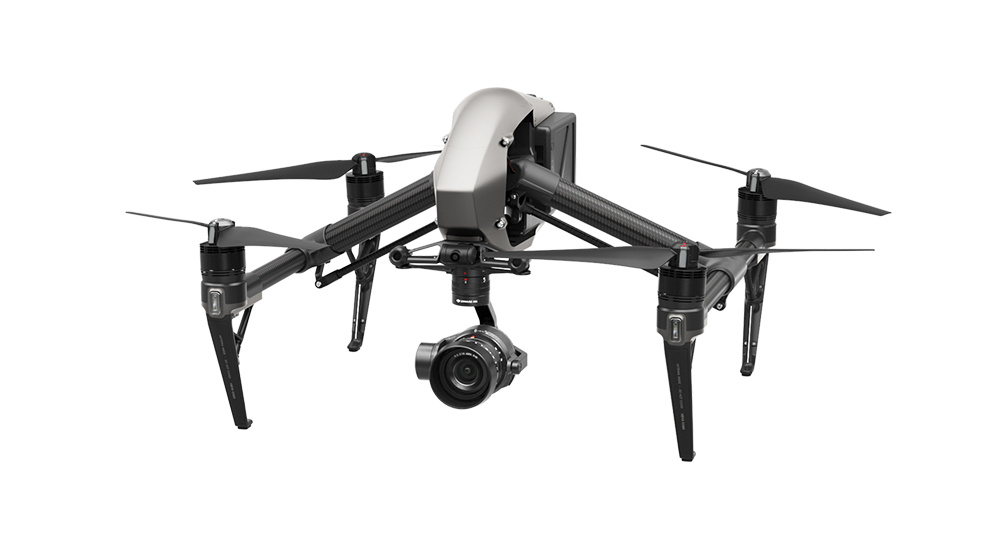


Description

SENSE AND AVOID
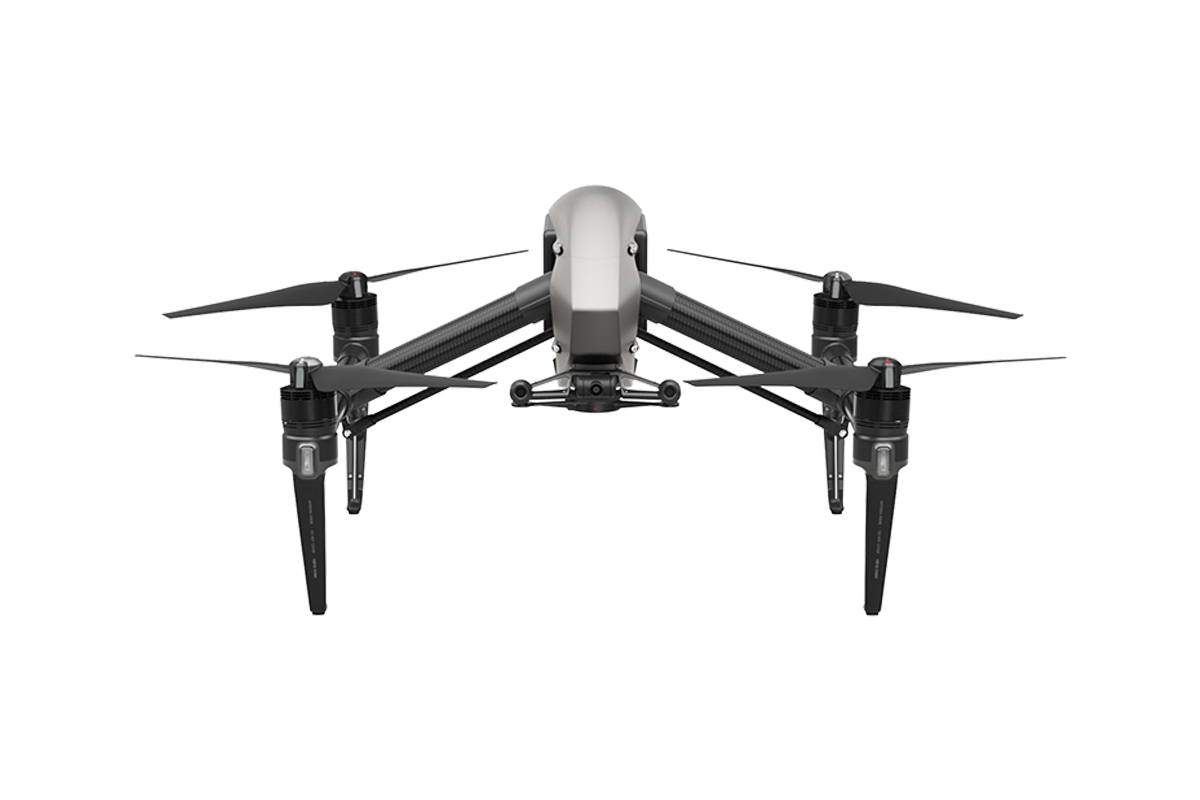
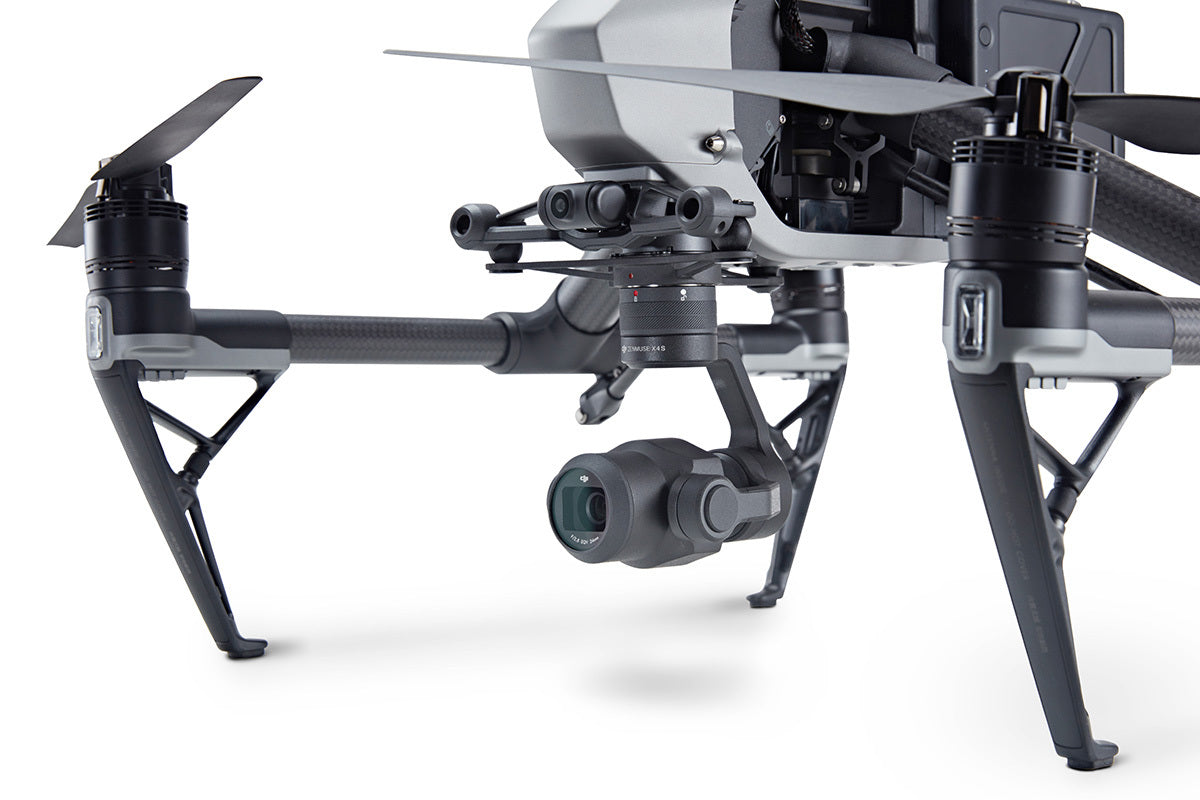
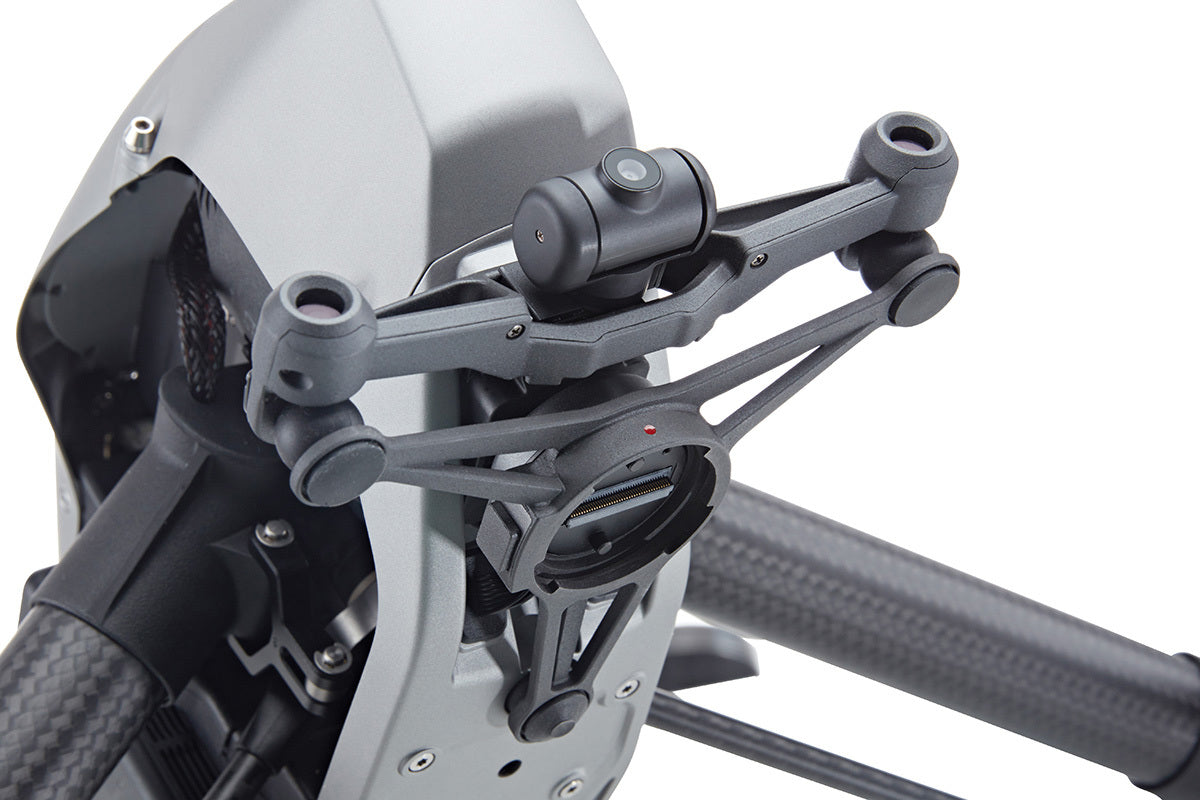
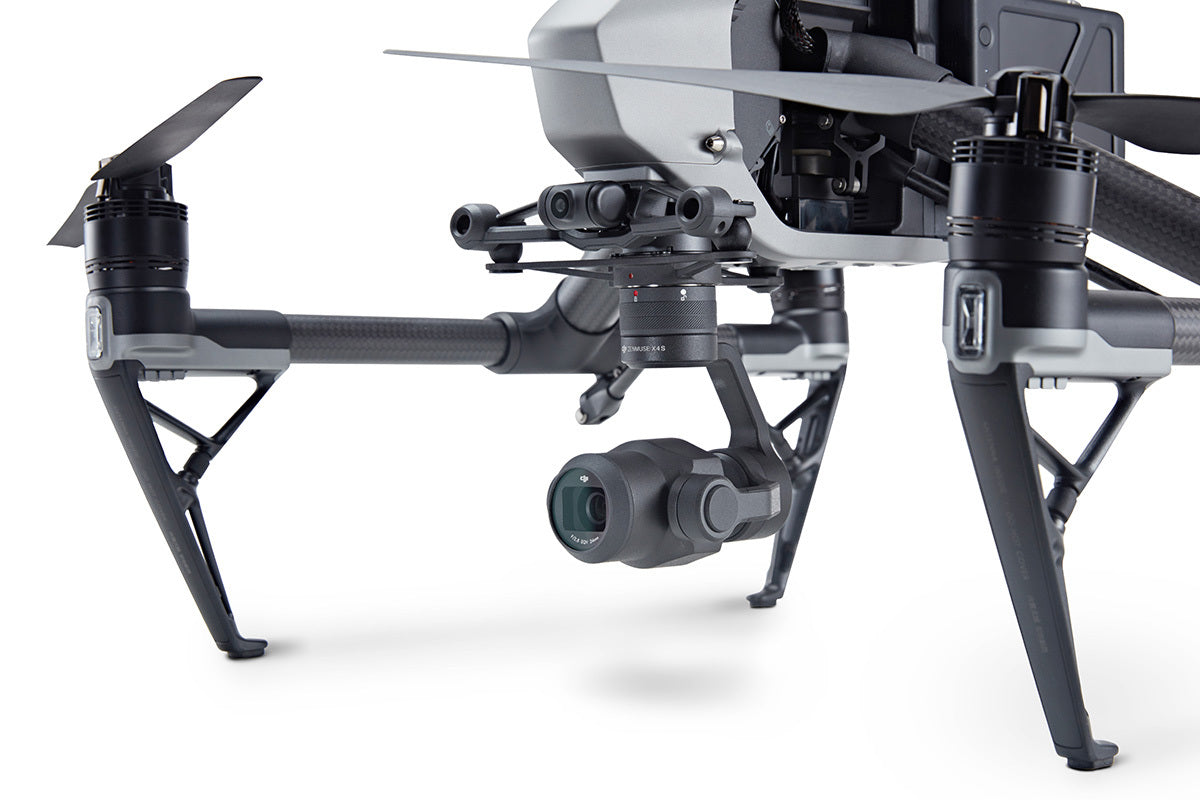
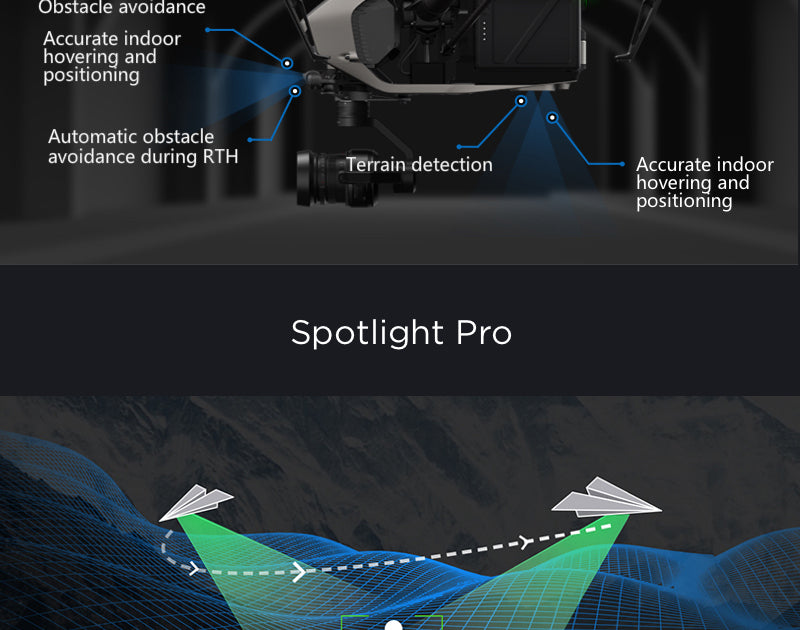
The Inspire 2 features forward and downward vision systems that detect obstacles up to 30 meters away, enabling safe flight at speeds up to 34 mph (54 kph) with a maximum controllable tilt angle of 25°. Infrared sensors on top can detect obstacles up to 5 meters (16 feet) above, enhancing safety in confined environments. These obstacle detection systems are active during standard flight, Return-to-Home (RTH), and all Intelligent Flight Modes. They form a key part of the DJI FlightAutonomy system, which powers the following intelligent features:
SPOTLIGHT PRO
Spotlight Pro is an advanced tracking mode that allows a single pilot to capture complex and cinematic shots without needing a second operator. Using sophisticated visual tracking algorithms, it locks onto a subject and keeps it in frame even as the Inspire 2 changes direction. If the gimbal reaches its rotational limit, the drone will rotate to maintain tracking without disturbing flight control or the shot.
There are two modes:
-
Quick Mode: Tap to select a subject and begin tracking immediately.
-
Composition Mode: Choose both the subject and a desired tracking point. When the subject reaches this position, press a shortcut to start tracking. The gimbal remains controllable for fine-tuning composition.
Spotlight Pro works with all Intelligent Flight Modes, including ActiveTrack, TapFly, Waypoint, and Point of Interest.
INTELLIGENT FLIGHT MODES
Alongside Spotlight Pro, the Inspire 2 offers a variety of smart flight and camera modes. Obstacle detection is optimized in Point of Interest and Waypoint modes, making complex maneuvers repeatable and safer. Additional modes include QuickSpin, TapFly, and ActiveTrack, helping users capture challenging shots more easily.
(*Note: Some features are listed as “coming soon.”)
SMART RETURN TO HOME
The Inspire 2 builds a live map of its flight path using its forward and downward vision systems. If the video signal is lost and Smart Return Home is active, the drone retraces its route until the signal is restored, at which point it switches to a direct return path. While returning, the primary camera scans for obstacles up to 200 meters ahead to ensure a safe flight home. The drone can also reestablish lost connections more rapidly.
VIDEO TRANSMISSION SYSTEM
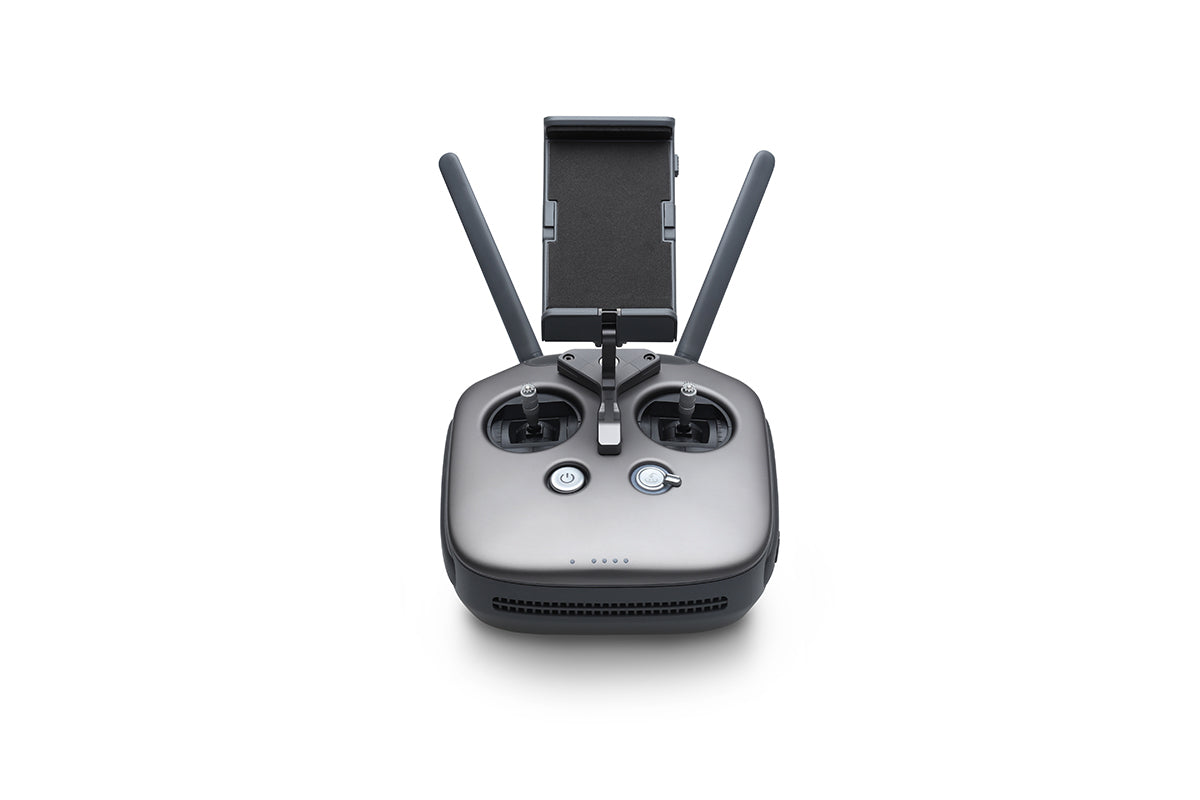
The upgraded DJI Lightbridge system provides a transmission range of up to 4.3 miles (7 km)*, delivering both 1080p or 720p video along with a live FPV view to the pilot and camera operator. Users can switch between 2.4GHz and 5.8GHz** frequencies for more stable signal performance in noisy environments.
Master and Slave Controllers
A new HD wireless transmission system allows video from the master controller to be sent to a slave controller with no quality loss, even when they are up to 100 meters apart.
Broadcast Mode
Broadcasters can stream directly from the Inspire 2 using its built-in 1080i50 and 720p60 video output. Just connect the remote to a satellite truck for live aerial footage on TV.
*Range achieved in ideal conditions; FCC compliant.
**5.8GHz transmission may be restricted in some areas due to local regulations.
POWERFUL FLIGHT PERFORMANCE
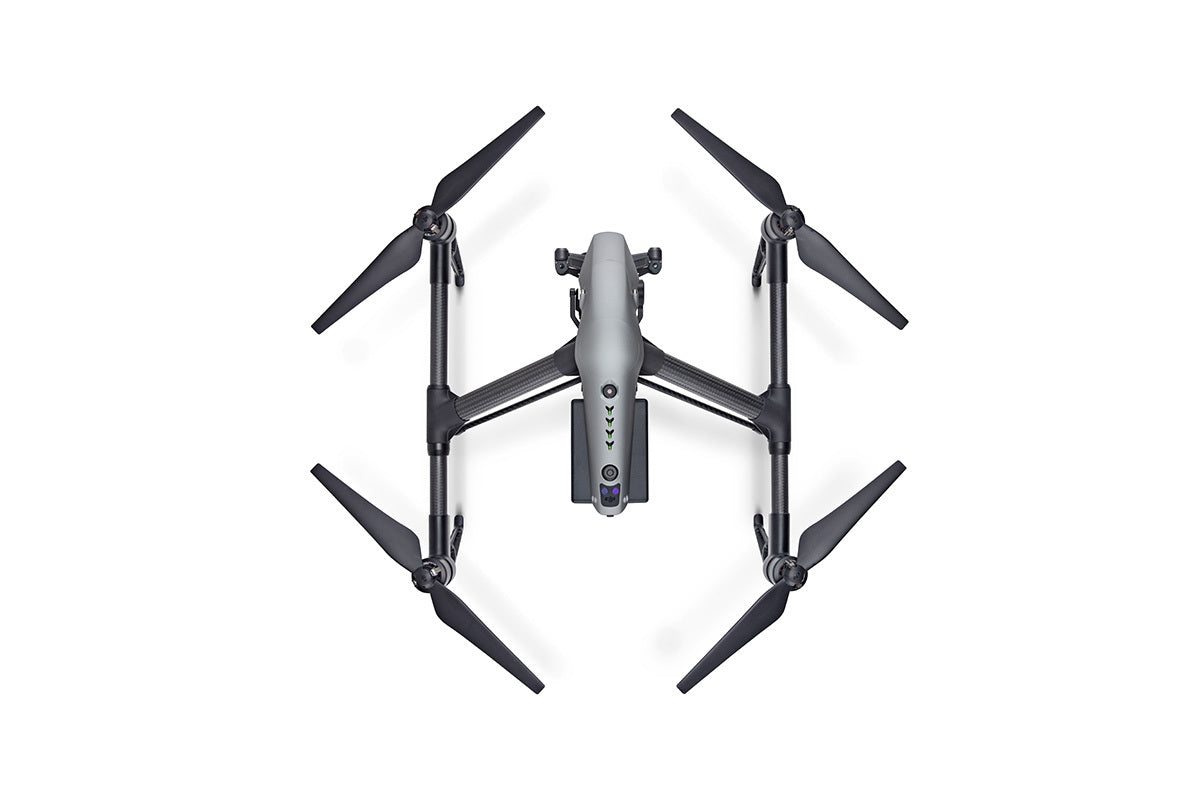
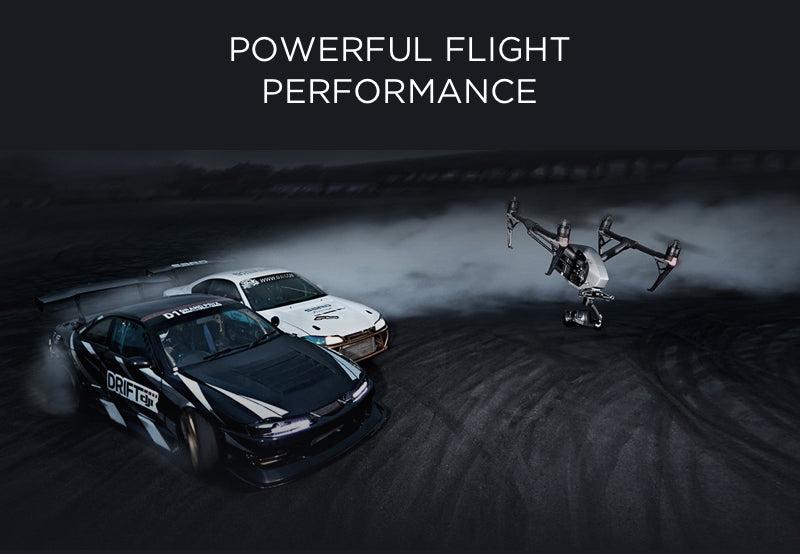
With a re-engineered propulsion system, the Inspire 2 reaches speeds up to 67 mph (108 kph), descends at 9 m/s, and climbs at 6 m/s. It accelerates from 0 to 50 mph (80 kph) in just 4 seconds, with a maximum tilt angle of 40°. The controller sticks are finely tuned for increased sensitivity and precise control during complex maneuvers.
This enhanced power enables high-altitude flights up to 2500–5000 meters (with specialized propellers) and operations in cold temperatures as low as -4°F (-20°C) using self-heating Intelligent Flight Batteries.
INCREASED RELIABILITY
Key systems like the IMU and barometer now feature dual redundancy. The flight control system continuously monitors these backups, ensuring stable and accurate performance. Obstacle sensing further reduces collision risk.
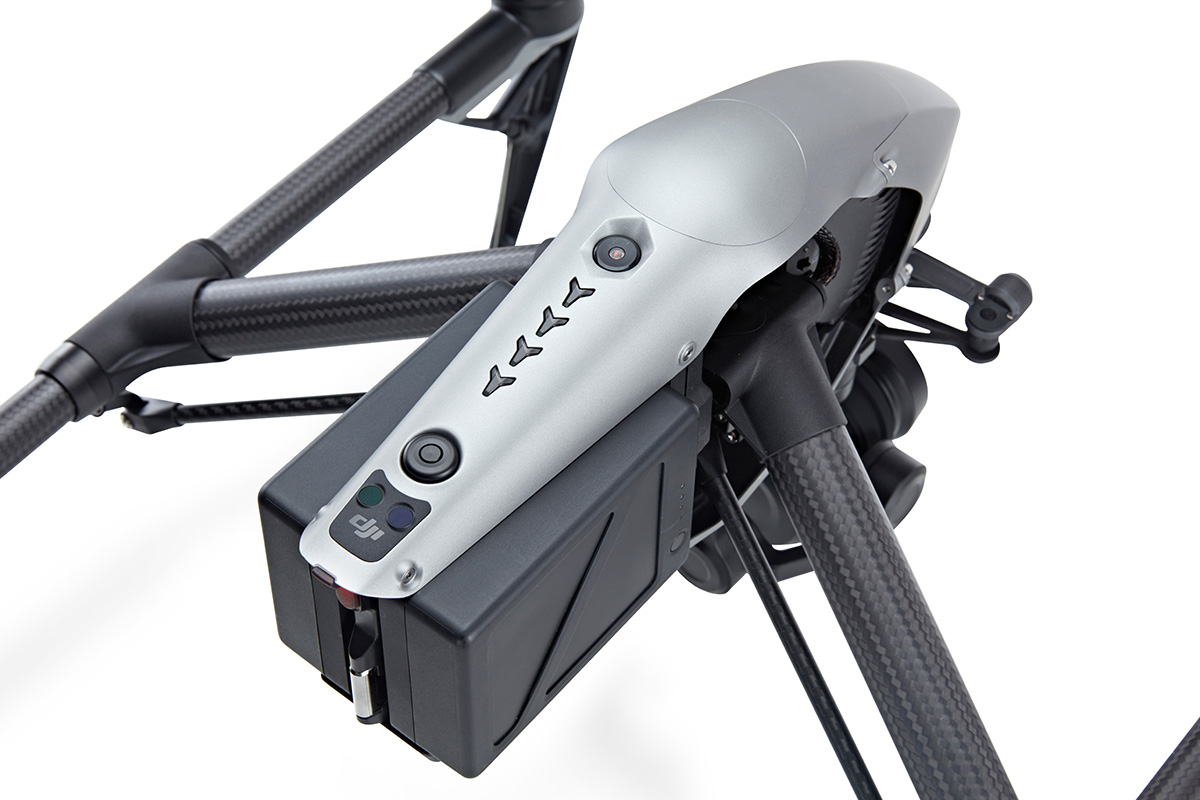
The dual-battery setup ensures the aircraft can remain airborne and land safely if one battery fails. Additionally, the propulsion system supports signal redundancy; if the PWM signal fails, it switches to serial communication to maintain control.
This entire propulsion system has been rigorously tested over thousands of hours. When combined with core sensors and redundant systems, it provides the Inspire 2 with significantly improved flight reliability.











SHORT DESCRIPTION
- 25-27M Battery Life
- 4.6Mile Range
- FPV Camera
- Includes X5S Camera
SKU
CP.IN.00000016.01
Manufacturer
DJI
UPC
190021025004
compatible with
DJI Inspire 2
open box
No
video resolution
4K
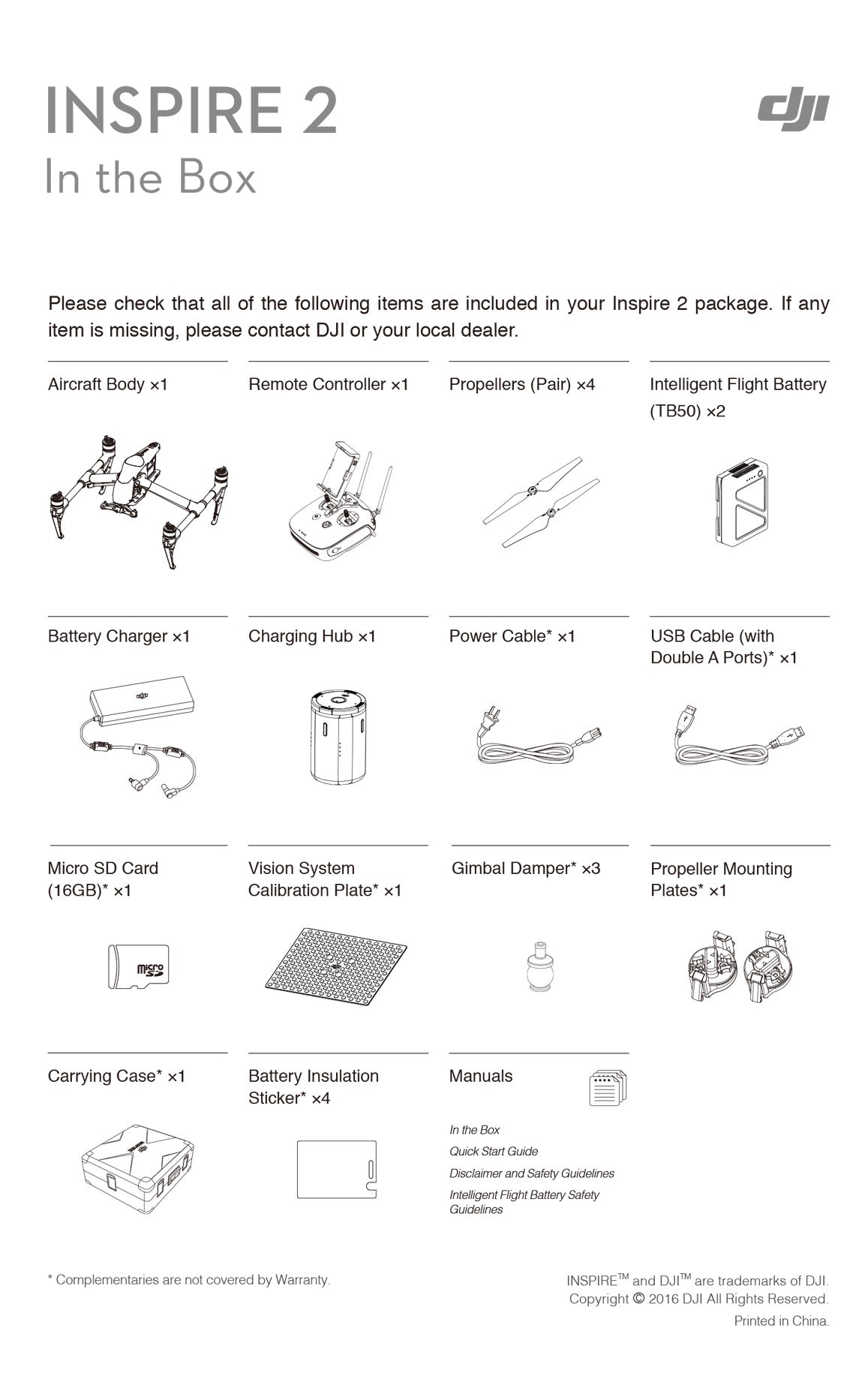
IN THE BOX
Includes all below + Camera/Gimbal + Apple ProRES + CinemaDNG
Payment & Security
Your payment information is processed securely. We do not store credit card details nor have access to your credit card information.
You may also like
Recently viewed
Let customers speak for us
Great product, quality parts, adds amazing immersion to flight, and racing. Even kayaking in VR.
Also... This is the first time I have used RoboTechWave. They are awesome! Polite, helpful, quick replies, great communication. I wish more companies were like this!
UnionJak68

DOF Reality H3 Racing Motion Simulator Platform 3-Axis HERO
Incredibly Immersive
I just set up the Racing Motion Simulator Platform 3-Axis and it has completely changed how I experience racing games. The movement feels smooth and realistic, really matching what’s happening on screen so it draws you into every lap. Assembly was surprisingly straightforward and once it was dialed in the range of motion makes a big difference from a static seat setup. It’s sturdy and responsive, and even long sessions stay comfortable which is great for practicing or just unwinding after work. This has become one of my favorite pieces of gear and I’m genuinely glad I bought it.
Ashton Frenning
DOF Reality H3 Racing Motion Simulator Platform 3-Axis HERO
Powerful All-In-One
I recently bought the DJI Mavic 3 Enterprise with the Care Plus warranty and I’ve been really impressed with how capable this drone is for professional tasks. The camera quality is sharp and reliable which makes inspections and mapping much easier, and the flight performance is smooth and stable even in less than perfect conditions. I also appreciate having the Care Plus coverage because it gives me peace of mind knowing I have support if anything goes wrong. For the price and what it delivers, this drone has become a dependable part of my workflow and I’m glad I chose it.
Matt Little

DJI Mavic 3 Enterprise With Care Plus Warranty
A Serious Upgrade
I bought the DJI Matrice 400 for commercial work and it has been extremely reliable so far. The build quality feels solid and professional from the first flight, and the long flight time makes a big difference when running extended inspections or mapping missions without constantly landing to swap batteries. It handles wind well, stays stable with payloads, and the obstacle sensing gives extra confidence when flying near structures. Setup was straightforward and it quickly became part of my regular workflow. It is a serious investment, but for professional operations it delivers the performance and reliability I was looking for.
Jason Green

DJI Matrice 400 Enterprise Drone, Long-Endurance Drone Platform
Pro Flyer
I bought the DJI Mavic 4 Pro Fly More Combo for better video and longer flight times and it’s been awesome. The camera is super clear and the extra batteries in the combo keep me flying way longer than my old drone. Took a little time to learn all the modes but now it feels smooth and predictable in the air. Ordered it from RoboTechWave and when I had questions someone actually replied with real help not just generic stuff. Really glad I got it.
Martin Redfern

DJI Mavic 4 Pro (Fly More Combo)
Reliable Aerial Performer
This drone has been a surprise favorite in my gear lineup. It feels solid in flight, the 4K camera captures crisp footage, and the obstacle sensing adds confidence when flying in tighter areas. The Fly More combo is especially useful for longer sessions. Robotechwave’s customer service was quick and helpful, making the whole buying experience smooth.
Greg Burns

Skyrover X1 Fly More Combo with Remote Controller (Gray)
Motion Thrill
I picked up the DOF Reality 6-Axis HERO simulator and it’s wild how different racing feels with motion. You do have to spend some time getting it set up right but once it’s going it actually adds a whole new layer to games. Ordered it from RoboTechWave and when I was confused about a few steps someone actually helped me figure it out, which was nice. Really happy I bought it.
Evan Parker

DOF Reality H6 Racing Motion Simulator Platform 6-Axis HERO
Precision Prints
The Creality 3D K2 Plus 3D Printer is a powerful large-format 3D printer engineered for professionals, educators, and serious makers who need reliable performance and precision on demanding projects. It features an expansive 350 × 350 × 350 mm build volume, advanced CoreXY motion control, and fast printing speeds (up to ~600 mm/s) for efficient output and crisp detail. With an enclosed heated chamber, AI-enabled monitoring, automatic leveling, and broad filament compatibility, this printer handles functional prototypes, large components, and creative designs with confidence.
Jack Dennis

Creality K2 Plus Enclosed 3D Printer
Smooth Reliable Performance
This HoverAir X1 ProMax exceeded my expectations for a mid-range drone. The flight is smooth and stable, the video quality is sharp, and the controls feel responsive even when flying longer distances. I especially liked how easy it was to get in the air right out of the box. Robotechwave’s customer service was quick to answer my questions and made the whole buying experience simple and reassuring.
Joseph Beck

HOVERAir X1 PROMAX SP06H006
Air Drone
Bought the HoverAir X1 ProMax drone to mess around with aerial shots and it’s actually solid. The controls feel good, video is smooth, and it doesn’t freak out in light wind like some cheaper drones I had. Took a bit to get the hang of the settings but once dialed in it’s fun to fly. Got it from RoboTechWave and when I had questions someone helped me sort them out instead of just leaving me hanging. Good buy so far.
David Alan
HOVERAir X1 PROMAX SP06H006
Immersive Motion Ride
The Professional Motion Simulator Platform 3 Axis Pro delivers a smooth, realistic motion experience for flight sims, racing games, and training setups. Its three axes of movement recreate pitch, roll, and yaw with responsive, stable performance, giving you that immersive feel without lag. Sturdy build quality and easy setup make it a solid option for serious sim enthusiasts or professionals looking to elevate training realism.
Jess Lee

DOF Reality P3 Professional Motion Simulator Platform 3-Axis PRO
Ultimate Immersive Experience
This 6-axis motion simulator takes my racing and flight sims to a completely new level. The movement feels incredibly smooth and precise, making every turn and maneuver feel real. Setup took some time, but once it’s dialed in the immersion is next-level. Robotechwave’s customer service was helpful and responsive, making the buying experience smooth and reassuring.
Robert Matthews

DOF Reality P6 Professional Motion Simulator Platform 6-Axis PRO
Big Prints
Got the Raise3D Pro2 Plus for some larger parts I needed to print and it’s been solid. Prints come out clean and it handles big jobs way better than my old printers. Took a bit of fiddling to get settings right, but once you find them it’s been reliable. Bought it from RoboTechWave and the people who helped me were actually cool, answered questions and didn’t make me feel dumb. Would buy again.
Adam Victor

Raise3D Pro2 Plus 1.01.017.001A01
Large Format
The Raise3D Pro2 Plus is a professional-grade large-format 3D printer engineered for demanding prototyping, manufacturing, and custom production tasks. Featuring a massive build volume of up to 305 × 305 × 605 mm, dual extruders with electronic lifting, and precision motion control, it delivers high-quality prints with versatile material compatibility and reliable performance. Advanced features like a 7″ touchscreen, HEPA air filtration, resume-after-power-loss, and wireless connectivity make it ideal for continuous operation in professional workshops
Adam Victor
Raise3D Pro2 Plus 1.01.017.001A01
Enterprise Workhorse
The DJI Mavic 3 Enterprise with Care Plus Warranty takes everything you love about the Mavic line and adds powerful enterprise features like long battery life, reliable obstacle sensing, and modular accessories for mapping and inspection jobs. The included Care Plus warranty gives peace of mind for heavy use in the field, making it a dependable choice for professionals who need versatile performance and strong support. Easy to fly, rugged enough for daily work.
Jackson King
DJI Mavic 3 Enterprise With Care Plus Warranty